The Knowledge Nobody Writes Down

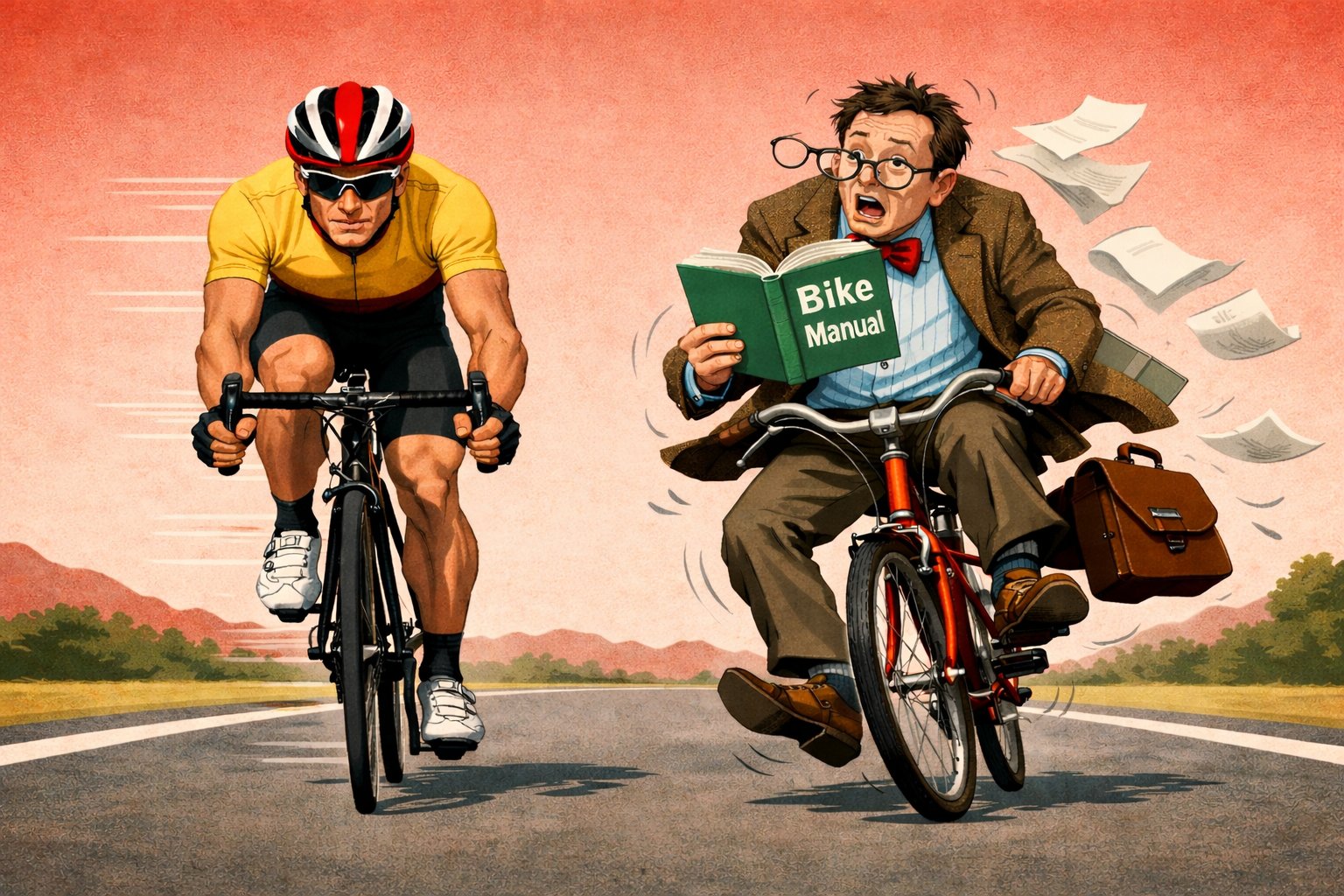
A professional cyclist racing confidently next to someone wobbling on a bike while reading a Bike Manual
I’ve been using both Claude and Gemini for coding work — building an app that processes Microsoft Word documents. In chat mode, the two models performed comparably at the general coding tasks. One was better at some things, the other at others. But one step required sophisticated manipulation of raw OOXML — the underlying markup inside a Word document — and Gemini was consistently better at it. Not marginally. Noticeably. Across a range of related tasks, it handled the well-defined, specialist-knowledge challenge more precisely. I’ve since seen the same pattern with other complex but tightly scoped problems. When the task is clearly defined and the domain knowledge is what matters, Gemini often has the edge.

Read the full article…

Should I Pay My Kid to Learn?

Should I pay my kid to learn?
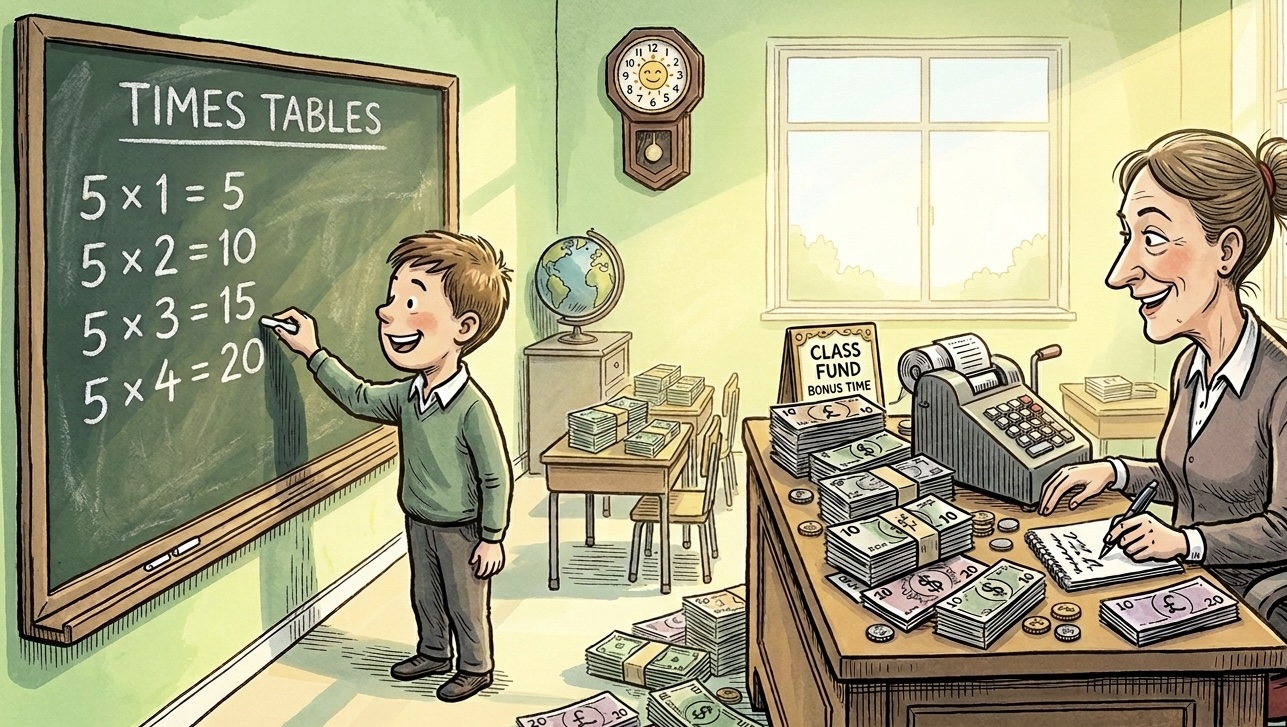
It started with a podcast. On the Peter Attia Drive podcast, I was listening to Joe Liemandt—a tech billionaire who’d built enterprise software for decades, poured a billion dollars into reinventing how children learn, and was now running a chain of private schools in Texas with no teachers, no homework, and no textbooks. His creation, Alpha School, replaces traditional instruction with AI-driven apps. Students complete their entire academic curriculum in two hours each morning, then spend the rest of the day on workshops in entrepreneurship, public speaking, fitness, and financial literacy. The adults in the room aren’t called teachers — they’re guides and coaches, focused on motivation and emotional support rather than instruction.

Read the full article…

Return from Technological Hibernation: Why My Sense of Scientific Stagnation Was Completely Wrong

Frog in a beaker
In December 2011, I wrote an article for the eighth anniversary of this blog. It was a rather melancholy piece. I lamented that since 2003, nothing truly groundbreaking had happened in science and technology. Off the top of my head, I could only name the rise of flat and touchscreen displays, which felt more like industrialization of already known ideas than a genuine revolution. I was waiting for the mass adoption of carbon nanotubes, for revolutionary materials… and nothing came.

Read the full article…